
QUANTIFIED VALUE
Costing welding rework: how AI conformity checking cuts the rework rate by 20%
SUXIN Academy · ~4 min read
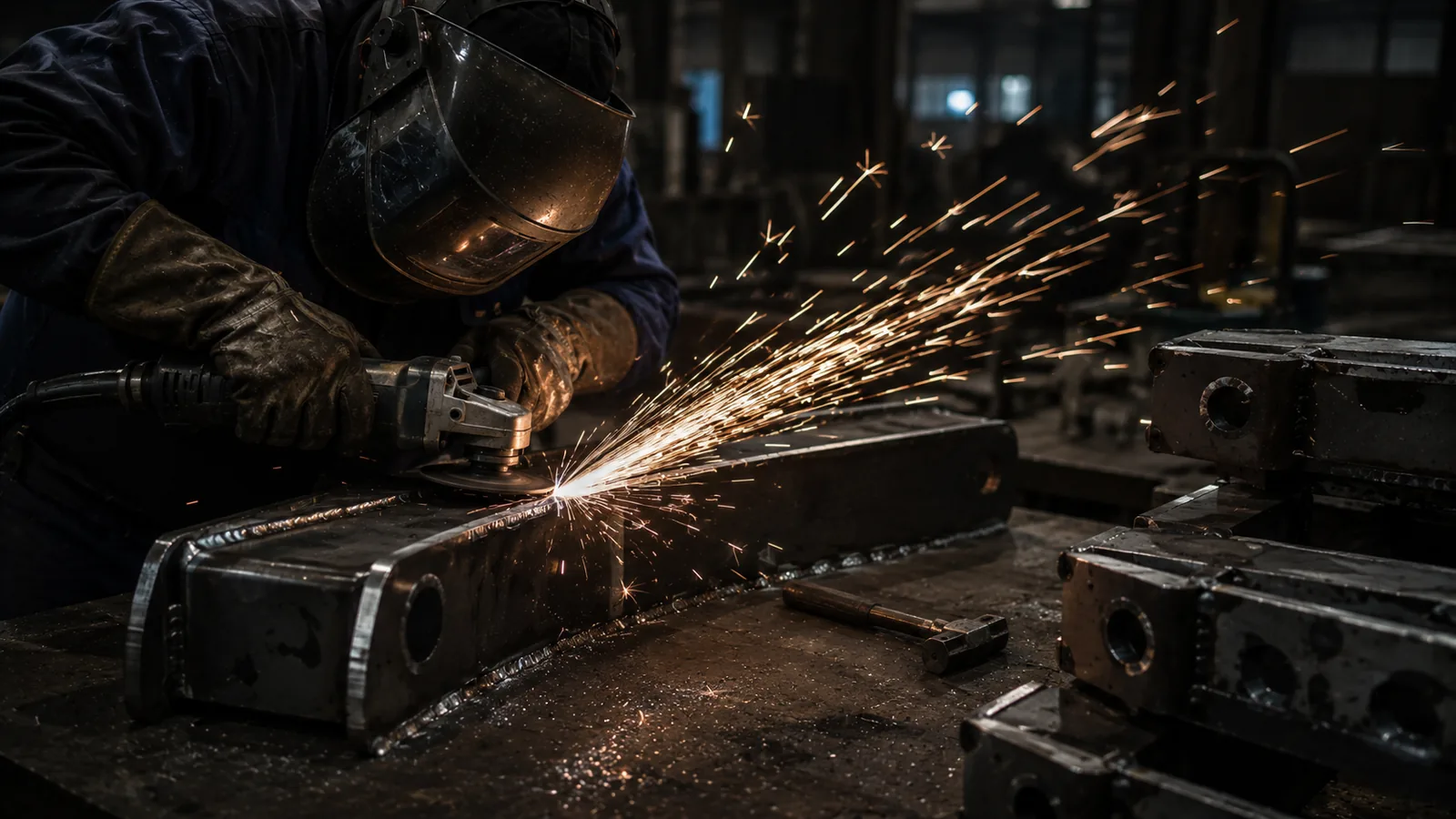
The cost of welding rework is often underestimated. On the surface it looks like just “welding it again,” but the real cost is far more: a bad weld must first be cleaned out, then re-welded, and then re-inspected — the equivalent of welding this weld twice and repairing it once, often two to three times the cost of a first-pass sound weld.
The more hidden cost lies in the knock-on losses — the capacity tied up by rework, the delivery dates delayed by it, and the effect of quality fluctuation on reputation. These usually go uncounted in direct cost, yet genuinely inflate welding cost.
For this reason, the economics of quality spending should be measured by “rework avoided.” Compare the full cost of one rework with the investment needed for “in-process interception, proactive prevention,” and prevention is almost always the more economical side.
To bring rework down, you first have to see where it comes from: without welding process data and compliance control, bad welds often go unwarned and stay frequent, so this “×3” happens again and again. Conversely, using process monitoring and on-the-spot conformity checking to catch defects before they occur typically cuts the rework rate by about 20% — saving exactly the visible and hidden costs above.
Suxin has long focused on smart welding and welding quality control, with 70+ invention patents, and its capabilities are proven on leading lines. If you want to get the rework math straight, open the ROI calculator and estimate the rework cost and potential savings for your line.
Continue reading · Quantified Value
← Back to「Quantified Value」